Below the surface of the oceans, microscopic algae known as phytoplankton are growing as the world warms. That’s one finding of our new study, published in Nature Climate Change, which provides the first long-term account, over more than three decades, of phytoplankton that live beyond the sight of ocean-monitoring satellites.
These tiny algae are found at the bottom of the marine food web. They’re eaten by slightly larger zooplankton (microscopic animals), which are eaten by small fish, then bigger fish, and so on. Any changes to phytoplankton will therefore ripple through the entire marine ecosystem all the way to the sharks and whales at the top. That’s why it’s crucial we know how they are responding to climate change.
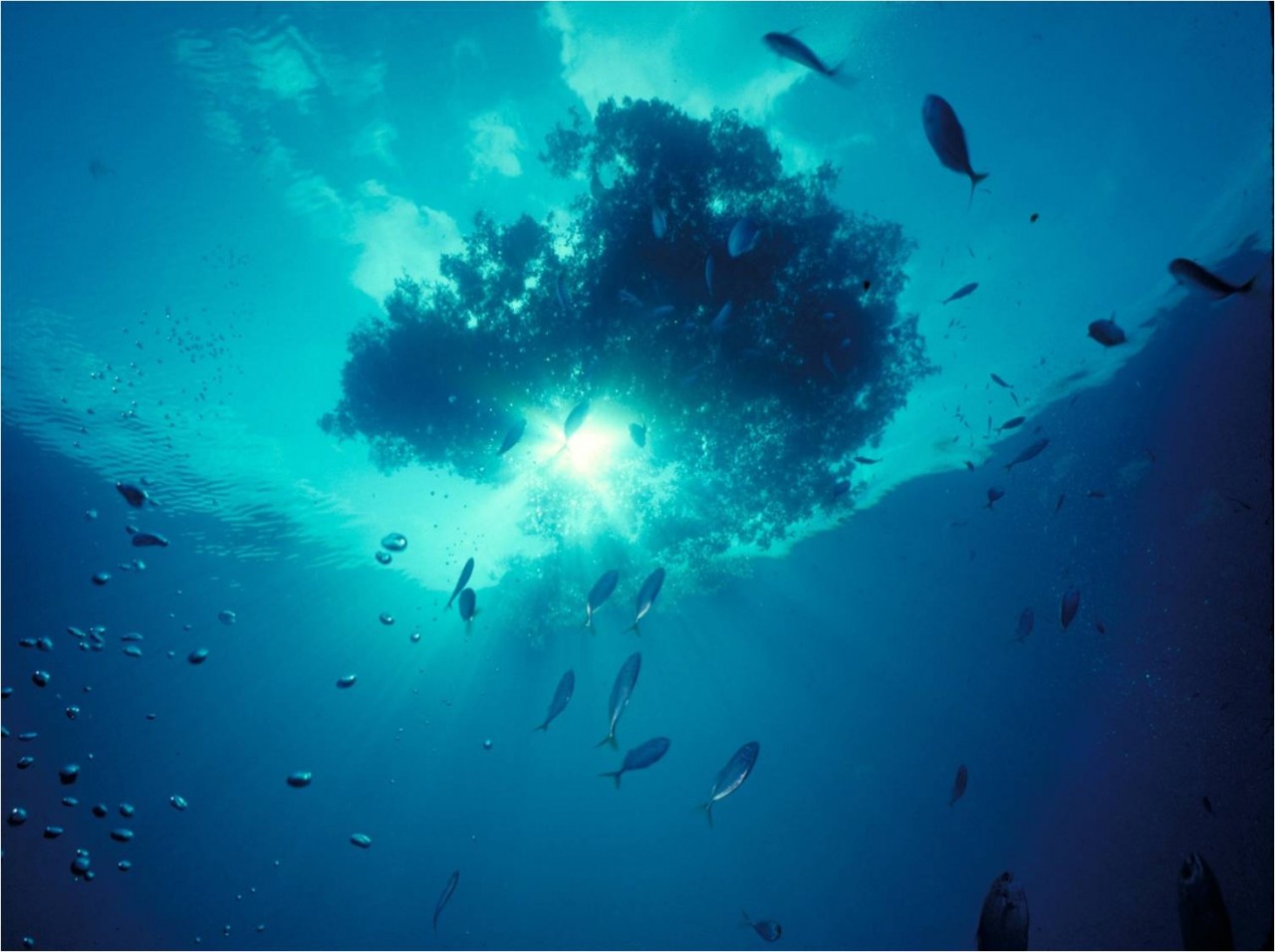
More than 70% of the sunlit global ocean is stratified into at least two layers, either permanently or seasonally. Likewise, these microscopic organisms exist in two distinct layers: surface phytoplankton in the well-lit, turbulent upper ocean, and those that live deeper, where there is little light but plenty of nutrients.
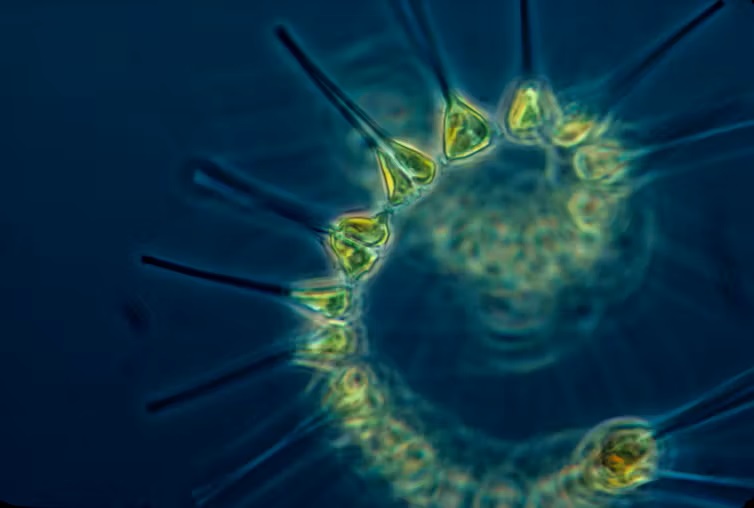
The surface phytoplankton are easily monitored by satellites, which can detect them based on the colour of the ocean and are able to observe vast areas in real time. Yet these satellites can only capture what’s happening with phytoplankton in the upper 50 metres or so, even in the clearest waters. Deeper phytoplankton are not routinely monitored with satellites, and we still know very little about them.
This is a serious limitation. Deeper phytoplankton make up a large portion (thought to be around 10%-30%) of the total phytoplankton biomass. Despite the low light, the supply of nutrients from below means they produce a significant portion of new biomass created in the oceans through photosynthesis, and their “blooms” (sudden increases in collective biomass) can last longer than their surface counterparts.
Decades of data
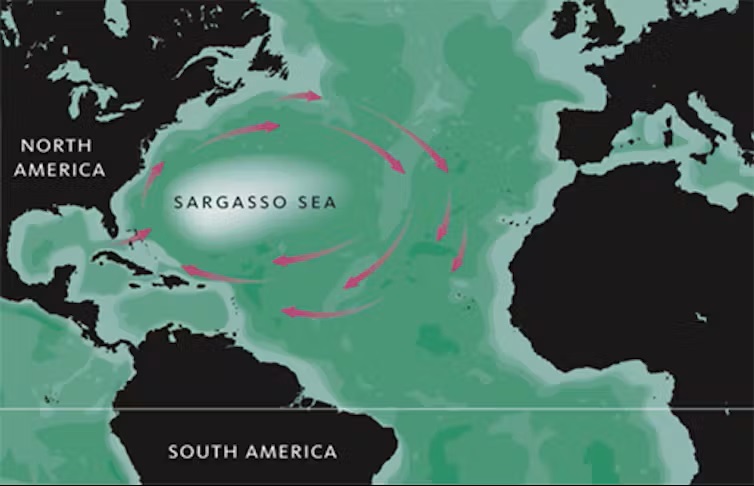
To investigate both layers of phytoplankton we used 33 years of ship-sampled data from a location near Bermuda in the Sargasso Sea, an usually calm region in the middle of several major currents in the North Atlantic. This is one of only a few places in the world where this data has been routinely collected over such a long time.
We then used a new two-layer modelling tool to analyse the ocean’s surface and subsurface separately. We found that deep-living phytoplankton are increasing their collective biomass in response to warming in the North Atlantic, especially as warming has accelerated over the past decade.
Surface phytoplankton, meanwhile, have reduced their chlorophyll levels and are appearing less green. This could be due to them becoming accustomed to higher levels of light near the surface, as warmer surface waters tend to mix less with those below, keeping them in brighter conditions for longer periods. This could also be due to greener species of phytoplankton being outcompeted by those better adapted to the brighter, low-nutrient conditions at the surface. These species typically produce less chlorophyll, leading to a less green overall phytoplankton community.
These shifts could have wide-reaching effects on marine ecosystems and the way the ocean can remove carbon dioxide from the atmosphere. We speculate that the deep community of phytoplankton may support a different food web than the community at the surface, and may contribute a significant fraction of the organic matter that sinks deeper into the ocean as “marine snow”.
All this is why monitoring this “invisible forest” of phytoplankton below the surface is crucial, as it remains hidden from satellites and these changes might otherwise go unnoticed.
The next step is to use floating ocean robots, to monitor phytoplankton at greater depths, complementing satellite data. These robots already exist and are providing valuable data from below the ocean surface, beyond the reach of satellites. Other technologies include lidar satellites with deeper views. However, like the robots, they haven’t yet been operating for long enough to fully capture long-term trends in deep-living phytoplankton.