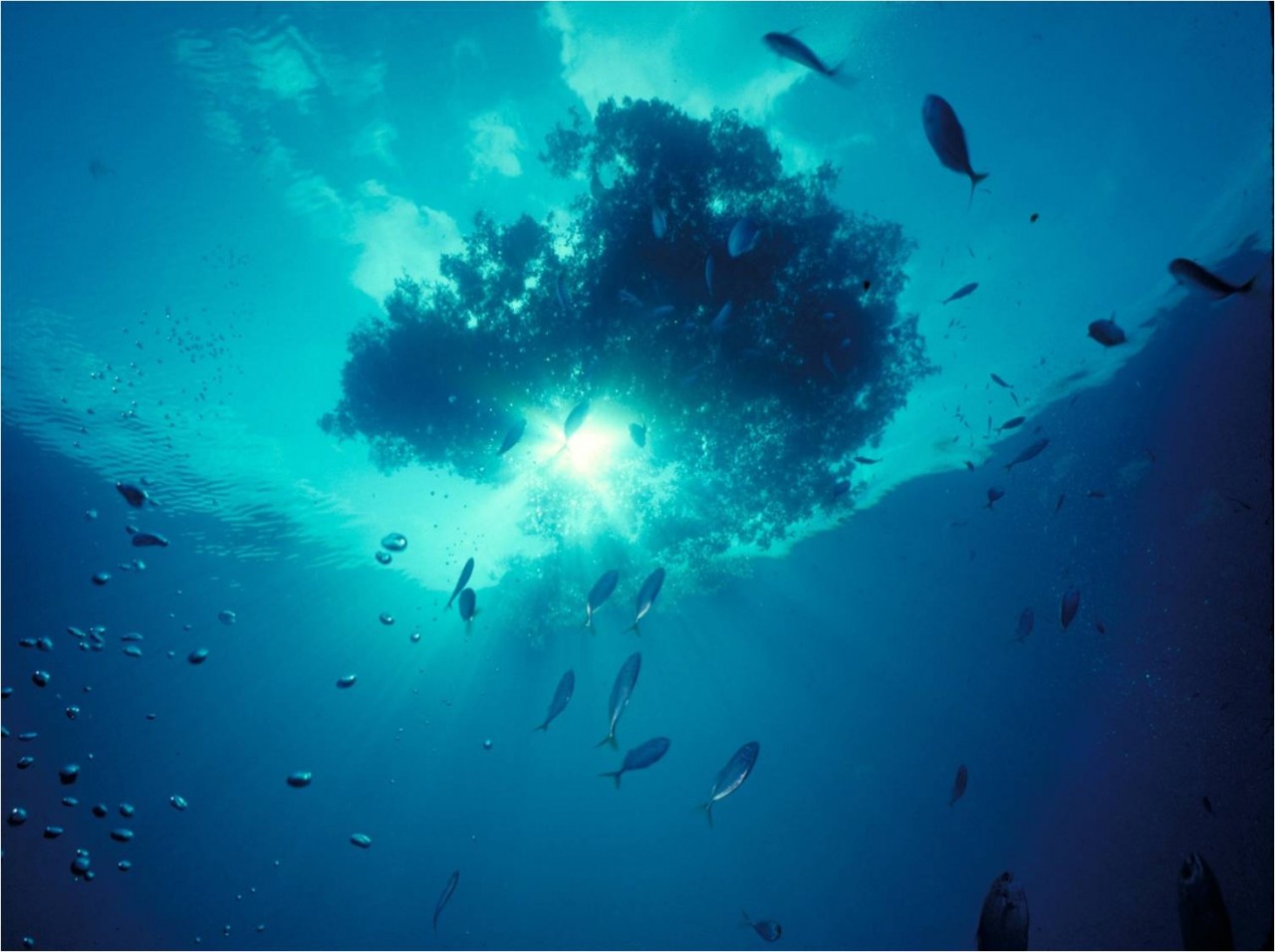
The coastal marine ecosystems adjacent to our landmasses are bustling with minuscule organisms actively participating in the decomposition of atmospheric carbon dioxide (CO2) emissions. Currently, a sequence of scientific expeditions is underway with the primary objective of delving deeper into this phenomenon.
The coastal marine environments exert a profound influence on human existence that extends beyond serving as picturesque settings for beachside repasts and occasional recreational activities. Specifically, the coastal zone proximate to land is referred to as the shelf sea, delineated by the seabed’s depth reaching up to 200 meters. In the United Kingdom, the widest expanse of this shelf sea extends approximately 300 kilometers from the mainland. These shallow shelf seas, though constituting a mere 5% of the Earth’s oceans, harbor a significant portion, ranging from 15% to 20%, of the total marine biodiversity. Their ecological dynamics remain enigmatic, with questions arising regarding the mechanisms by which these shelf seas support such prodigious biological productivity. As articulated by Professor Jonathan Sharples of the University of Liverpool, the means by which these ecosystems sustain such considerable biological growth through nutrient supply from the deep ocean remain poorly understood.
Inexplicably, these shallow seas serve as the cradle for 90% of the global fisheries, underscoring their paramount ecological significance on Earth. In addition to their role in bolstering the global seafood supply, shelf seas play an intricate yet incompletely understood role in regulating atmospheric carbon dioxide (CO2) levels, analogous to terrestrial vegetation and forests. Much akin to trees sequestering CO2 from the atmosphere, shelf seas can efficiently extract CO2, operating as a biological pump. This CO2 sequestration process comprises two essential components. Firstly, CO2 dissolves in the ocean’s surface when the CO2 concentration in seawater is lower than in the atmospheric milieu, akin to the effervescence observed when opening a carbonated beverage. Secondly, microorganisms, abundantly populating shelf seas, contribute substantially to this system.
A casual swim in the sea may inadvertently lead to the ingestion of myriad microorganisms known as plankton. Remarkably, despite their diminutive size, plankton, specifically phytoplankton (minute marine plants) and zooplankton (minute marine animals), serve as indispensable food sources for larger marine organisms, including whales. Phytoplankton are minuscule, with one thousand of the smallest measuring merely 1 millimeter, while typical zooplankton range from 1 to 5 millimeters in length. These plankton organisms impart a murky appearance to seawater, collectively termed “marine snow.” As phytoplankton grow, they sequester CO2, converting it into organic carbon and oxygen via photosynthesis, mirroring the process of terrestrial vegetation. Subsequently, zooplankton consume the organic carbon derived from phytoplankton.
Remarkably, planktonic communities play a pivotal role in removing approximately one-third of the total anthropogenic carbon emissions annually released into the atmosphere by fossil fuel combustion. Shelf seas, due to their heightened biological activity, contribute disproportionately to this vital process. Dr. Louise Darroch from the British Oceanographic Data Centre affirms the necessity of comprehending how plankton mediate CO2 extraction from the atmosphere and how this capacity may respond to climatic variations.
To address this pivotal question, the Natural Environment Research Council and the Department for Environment, Food, and Rural Affairs have sponsored the Shelf Sea Biogeochemistry project, which entails multiple expeditions to various shelf sea regions over the ensuing year. The research team, comprising individuals such as Sharples, Hopkins, and Darroch, recently concluded an expedition to the Celtic Sea aboard the RRS Discovery, the United Kingdom’s newest research vessel. Spanning 25 days and characterized by the absence of any land sightings, the expedition accommodated approximately 50 individuals, split evenly between scientists and crew members. The ship’s substantial dimensions, at 100 meters in length, enable operation in diverse weather conditions, albeit with initial challenges such as seasickness adaptation during the early days at sea.
The research endeavors encompassed the measurement of nutrient and organic material concentrations in seawater, sediment collection from the seafloor, and the monitoring of water temperature and salinity alterations. A suite of instrumentation, including remotely operated autonomous gliders for temperature and water turbulence measurement, was employed, alongside the utilization of “snowcatchers.”
Snowcatchers, imposing cylindrical plastic structures measuring as large as a room and one meter in diameter, were submerged beneath the sea surface to a specified depth and sealed, thereby encapsulating the surrounding water and the suspended marine snow particles. Subsequently, researchers could examine the settling behavior of plankton, including crucial zooplankton fecal matter.
The fate of sinking particles in the ocean, carrying significant carbon sequestered from the atmosphere, constitutes a focal aspect of this research. Swiftly sinking organic material may reach the seabed without dissolution, potentially becoming long-term sequestered carbon in the deep marine environment. Given the right conditions persisting over vast time scales, this process contributes to the formation of fossil fuels.
Studies of this nature are anticipated to enhance our understanding of contemporary CO2 removal from the atmosphere in shelf seas. Subsequently, this knowledge will facilitate improved modeling of how future climatic shifts will impact this critical ecosystem, upon which humanity relies extensively for sustenance, energy resources, and recreational pursuits.